
May 10: Your Street, your idea!
ඔබේ අදහස, ඔබේ වීදිය
உங்கள் யோசனை, உங்கள் தெரு
Guest Facilitators: Sulakshi & Rae from Everystory
Volunteers: Tammeez , Suren, Husaina
Time: 12-2.30pm
Building Hope Children’s Center, Nagaswatte.
Summary:
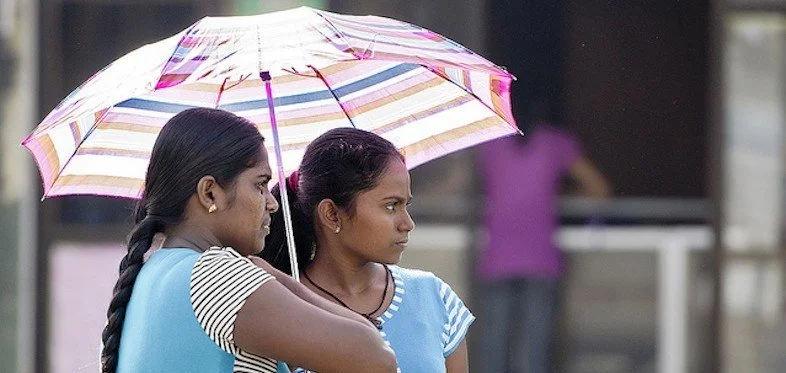
Today’s program focuses on noticing how men, women and children use our streets differently. By studying this, we will also learn about brainstorming and rapid prototyping - to come up with as many ideas as possible before selecting a solution to work on, and build it with simple materials to share your idea.
You will need:
Large printout of map sketch (you can also hand draw this on a large Bristol board) - for whole class to share. Can also use two maps and compare differences.
Sketch paper or A4
Stickers (red and green, representing places they like and dislike)
Felt pens, pencil, eraser
Post its about 10-15 per child.
Cardboard for model bases, cut out to the same size 6” x 6” or A5 size.
Scissors, masking tape, string and glue
Warm up: Red Light, Green Light - Human Traffic Light Game (5 minutes)
One "caller" (the traffic light) faces away from players
The caller shouts "green light" to allow movement toward a finish line and "red light" to make them freeze
Players moving on "red light" must return to the start of the line
The first to tag the caller wins
Memory mapping: 15 minutes
This is the area will be observing very closely for this session.
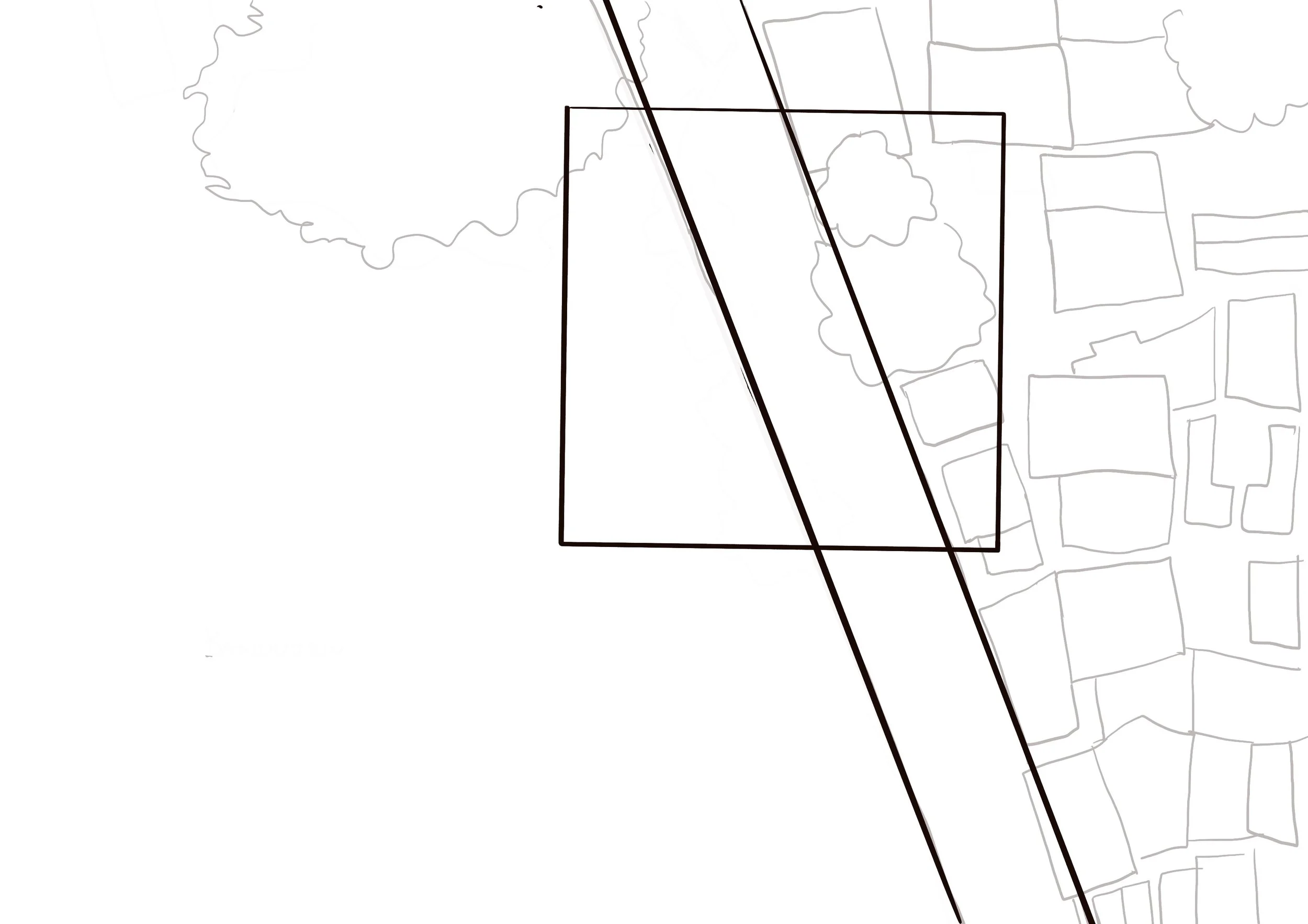
Do you know where this is? (point to the square area) hint.. near the Bandujeewa playground..
What do you usually see that is missing? Draw it on the map, with as much detail as possible. Are there trees? Shade? a road bump? a wall? pothole? Clothesline? Grass? Draw everything you remember. Draw it in a Birds Eye view, from above.
Who uses this area the most? List them on the map and point with arrows to where they gather
Who is left out? Discuss or list it on the map
Pass green and red stickers around and mark out what places you like, and dislike.
Discuss, why?
2. Brainstorming 15 minutes
discuss:
Select the red dot from the map which has the potential for the most impact on people, OR an area that a large number of children call out.
Point and ask:
‘How might we redesign _________________________(problem area) into something like a ________________________to turn it into a green dot? (use a positive analogy ‘like a spa, living room, place to rest, garden etc to refer to a place that a red dot could become)
Don’t think if an idea is bad or good, write or draw AS MANY IDEAS as possible. Don’t think about the outcome! what matters is that there are lots of ideas to choose from.
Try again, this time let’s pretend you had 1 million rupees and even some superpowers / magic to make your idea a reality.
Ask each student to select one idea (that was not their idea) and add to this idea further through discussion. Example: if someone had an idea to put a sofa in that location, another kid might add ‘the sofa is filled with ice water so that people who sit on it will always be cool’
Select 3-4 ideas to prototype
3. Prototype (25 mins)
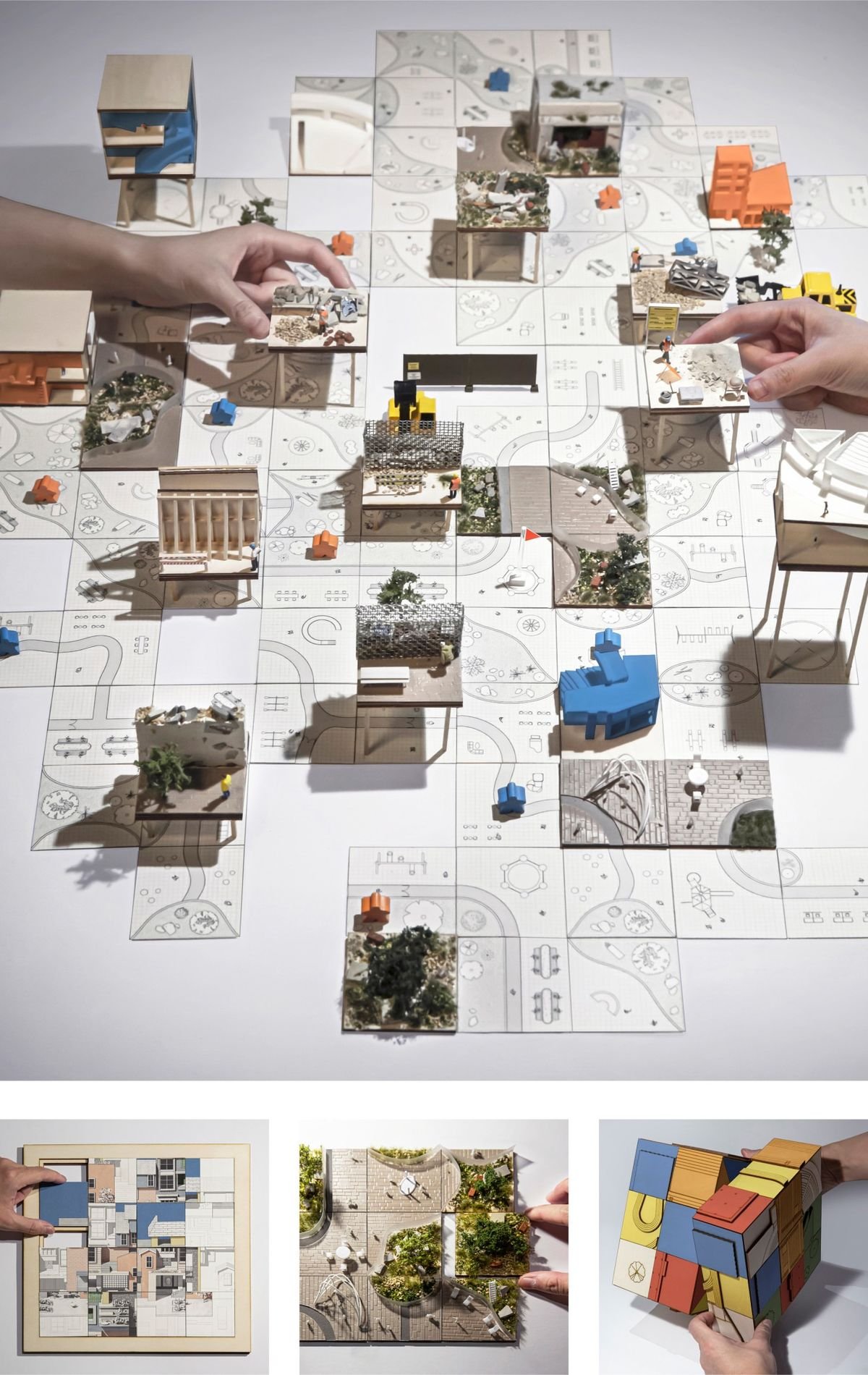
If there’s time, divide the class into 3-4 groups and each group will make a 15 minute, quick model of a solution that was mentioned in the post it.
Play energetic / instrumental music during work/ focus time. Each group should have one adult supporting them.
Tell children when there is 5 minutes left.
When 15 minutes is up, arrange all the models together and ask each group to describe their model/ solution.
Conclusion chat (5 min)
How did it feel to write and draw ideas without thinking about what the best idea is?
How did it feel to develop someone else’s idea?